
For Restaurants

An AI Receptionist That Answers While You Are in Service

The phone rings hardest exactly when nobody can reach it. An Amernet AI receptionist answers every call through service, takes the booking, and passes on anything that genuinely needs a person.

It answers from your own material — your menu, your hours, your policy on large groups and allergies — so callers get your answer rather than a guess.

And it keeps answering after you have closed, when a good share of the calls about tomorrow actually happen.
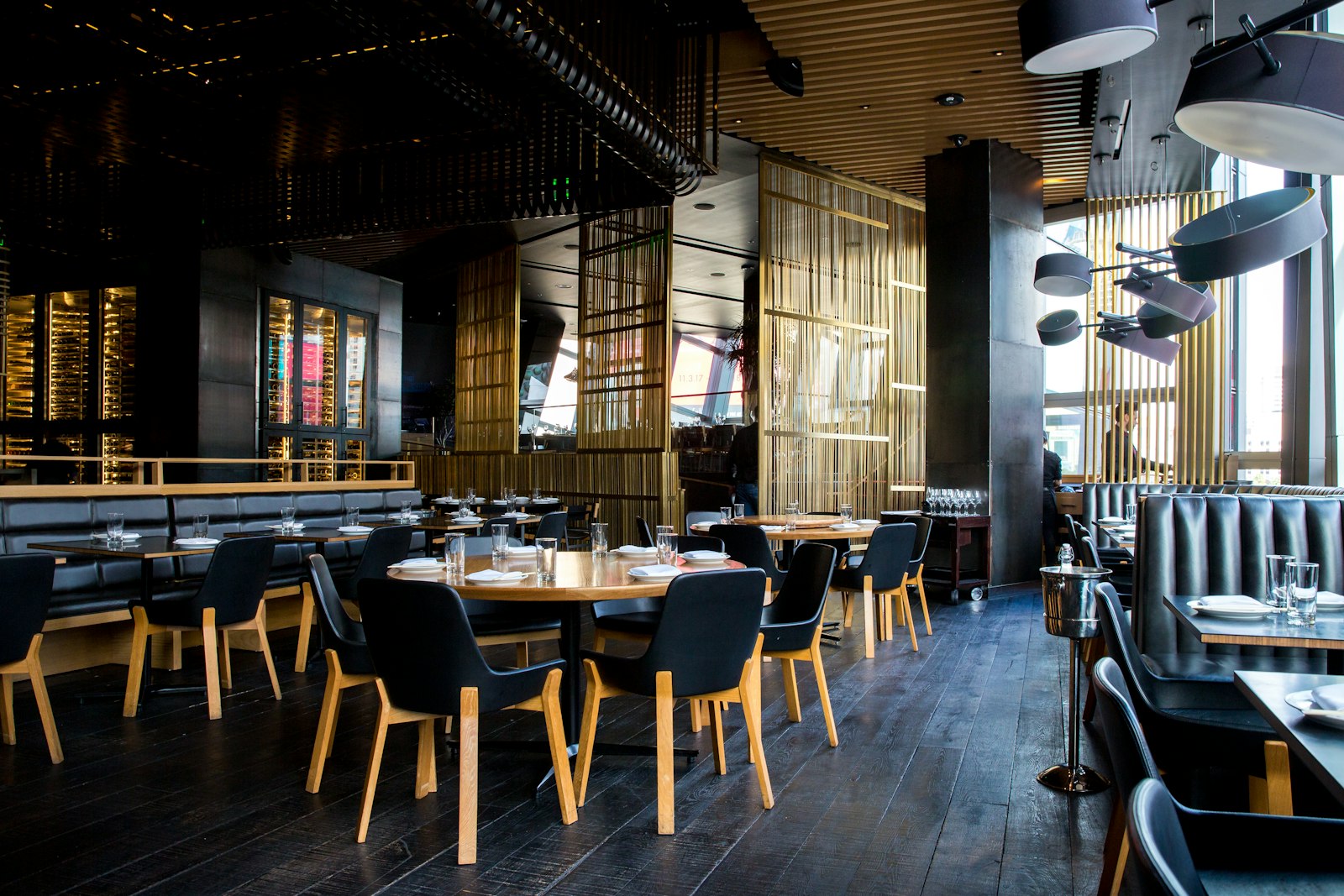
Busy restaurant dining room during service
The problem

The phone is busiest when you are

Every unanswered call is somebody who rang a competitor next.

A restaurant phone does not ring evenly. It rings during service, when the pass is full and the front of house is seating a table. The call gets six rings and voicemail, and the person calling does not leave a message — they ring somewhere else.

Nobody is doing anything wrong. There is simply no version of a busy service where somebody is also free to answer the phone properly.

The usual fixes trade one problem for another. Voicemail collects messages nobody has time to return. A call-handling service answers, but reads from a script written by someone who has never seen your menu.

An AI receptionist answers immediately, every time, and actually knows your business — because it is answering from your documents rather than a summary sheet.

What it does

Six things it handles without you

On every call, including the ones at nine on a Friday.

Answers on the first ring

On your existing number, ported or connected, or as an extension behind the phone system you already run. It never puts anyone on hold.

Knows your menu and your rules

Opening hours, set menus, corkage, whether you can do a table of twelve on a Saturday — answered from your own documents, not invented.

Takes the booking on the call

It reads live availability from your calendar and books there and then, so nobody is asked to call back later.

Texts the confirmation

A confirmation can go out by SMS after the call, so the booking is in the caller’s phone rather than in their memory.

Passes on what needs a person

A complaint, a press call, a supplier problem — handed to whoever is free, with the caller introduced first rather than cold-transferred.

Every call written down

A transcript and recording of each call, so you can see what people ask for and what you keep turning away.

After hours

The calls that happen when you are shut

Plans for tomorrow get made this evening.

Plenty of booking calls happen outside service — late evening, the morning before you open, the whole of a closing day. Those calls reach voicemail at best, and a competitor at worst.

The agent does not keep hours. The Sunday-night call asking about Friday is answered on Sunday night, and the booking is in your calendar before anyone opens up on Monday.

For multi-site operators the same agent can answer for each site with its own hours and menu, so a group does not need a phone plan per location.

And because every call is transcribed, the pattern of what people ask for — the dish that keeps selling out, the table size you keep refusing — is readable rather than anecdotal.

Questions

Common questions from restaurant owners

What people ask before putting a phone line on an agent.

No. It holds a normal conversation — people interrupt, change their mind about the day, ask whether you do a children’s menu, and it keeps up. There is nothing to press and no menu tree.

From your own documents. You give it your menu, your hours and your rules on things like large groups or dietary requirements, and it answers from those rather than improvising. See knowledge base.

It books into a connected calendar and can confirm by text. It is not an integration with a restaurant reservation platform — if you run one, it is worth a conversation about how the two should sit together.

No. Keep your number — connect it, or port it across — or leave your phone system exactly as it is and let the agent answer as an extension behind it. See SIP extensions.

It hands the call to a person, introducing the caller first so whoever picks up already knows what it is about. Complaints and suppliers should reach a human, and they do.

Yes. Every call keeps a transcript and a recording, so you can check exactly how it handled a booking or a difficult caller. See conversations.

Keep reading

Related guides

More on what the receptionist does with a call.

What a virtual receptionist is

The plain definition, what the human services cost, and when one of them still beats an AI receptionist.

AI receptionist vs answering service

A side-by-side table on cost, capability and setup time, against a live answering service and plain voicemail.

AI receptionist for multiple locations

One number across every site, callers routed to the right branch, and each location’s details kept separate.

Hear it answer your phone

The quickest way to judge it is to ring it yourself.

Book a short session and we will set an agent up with your menu and your hours, then you ring it and try to catch it out — a table of ten, a dietary question, a booking for a day you are closed.